If you have ever adjusted a thermostat, turned on an air conditioner during a hot summer day, or relied on a furnace to stay warm in winter, you have already used an HVAC system. But many people still ask the basic question: what is HVAC? HVAC stands for heating, ventilation, and air conditioning, and it refers to the systems used to regulate indoor temperature, humidity, and air quality in homes, offices, and other buildings.
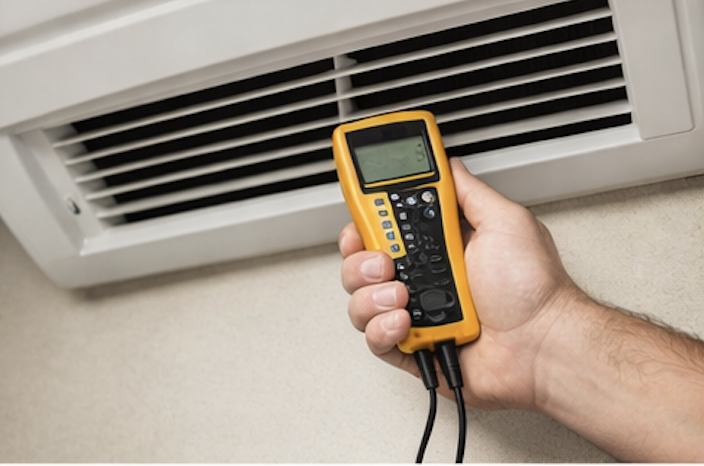
HVAC systems are essential to modern life. They help maintain comfortable living conditions, improve indoor air quality, and ensure that buildings remain safe and energy efficient. Whether in residential homes, commercial buildings, hospitals, or industrial facilities, HVAC systems play a critical role in controlling indoor environments.
Understanding the Meaning of HVAC
To understand what HVAC is, it helps to break the term into its three main components: heating, ventilation, and air conditioning.
Heating systems are responsible for warming indoor spaces during cold weather. The most common types of heating systems include furnaces, boilers, heat pumps, and electric heaters. These systems generate heat and distribute it throughout a building using ductwork, radiators, or underfloor heating systems.
Ventilation refers to the process of circulating fresh air through a building while removing stale air, moisture, odors, and contaminants. Proper ventilation improves indoor air quality and helps prevent issues like mold growth and poor air circulation. Ventilation systems often include air ducts, exhaust fans, and air exchange systems.
Air conditioning systems cool indoor spaces during warm weather. Air conditioners remove heat from indoor air and release it outside, lowering the temperature and improving comfort. Air conditioning systems also help control humidity levels, which can make indoor spaces feel cooler and more comfortable.
Together, these three components create a complete HVAC system that regulates indoor temperature and air quality year-round.
How HVAC Systems Work
HVAC systems work by controlling the movement of air, heat, and moisture throughout a building. While there are many different types of HVAC systems, most operate using similar principles.
A typical HVAC system begins with a thermostat. The thermostat monitors the temperature inside a building and signals the heating or cooling system when adjustments are needed. If the indoor temperature rises above the desired setting, the air conditioning system activates. If the temperature drops below the setting, the heating system turns on.
In air conditioning systems, a refrigeration cycle is used to remove heat from indoor air. Refrigerant circulates through components such as the evaporator coil, compressor, condenser coil, and expansion valve. As refrigerant moves through the system, it absorbs heat from indoor air and releases it outside.
Heating systems operate differently depending on the type of equipment used. Furnaces burn fuel or use electricity to generate heat, which is then distributed through ductwork using a blower fan. Boilers heat water and circulate it through pipes or radiators to warm a building.
Ventilation systems help maintain proper airflow. They bring fresh outdoor air into the building while exhausting stale air. This process helps maintain healthy indoor air quality and prevents pollutants from building up inside enclosed spaces.
Common Types of HVAC Systems
There are several different types of HVAC systems used in homes and commercial buildings. Each system is designed to provide heating and cooling in a slightly different way.
Split HVAC systems are the most common type used in residential homes. These systems include separate indoor and outdoor units. The indoor unit typically contains the furnace and evaporator coil, while the outdoor unit houses the condenser and compressor for the air conditioner.
Heat pump systems provide both heating and cooling using the same equipment. Heat pumps work by transferring heat rather than generating it. During the summer, they remove heat from inside the home and release it outdoors. In winter, the process reverses, bringing heat from outside into the building.
Ductless mini-split systems are another popular HVAC option. These systems do not require ductwork and are often used in homes without central air systems. Instead, individual indoor units are mounted on walls or ceilings and connected to an outdoor compressor.
Packaged HVAC systems combine heating and cooling components into a single unit, usually installed on a rooftop or outside the building. These systems are commonly used in commercial buildings and smaller homes where space is limited.
Why HVAC Systems Are Important
Understanding what HVAC is also involves recognizing why these systems are so important. HVAC systems provide comfort by maintaining consistent indoor temperatures regardless of outdoor weather conditions. Without heating and cooling systems, buildings could become extremely uncomfortable or even unsafe during extreme temperatures.
HVAC systems also improve indoor air quality. Ventilation systems help remove dust, allergens, and airborne contaminants that can affect health. Many modern HVAC systems also include air filtration and purification systems that further improve air quality.
Energy efficiency is another important factor. Modern HVAC systems are designed to reduce energy consumption while maintaining optimal comfort. High-efficiency furnaces, smart thermostats, and energy-efficient air conditioners help homeowners reduce utility bills while lowering their environmental impact.
HVAC Maintenance and Repair
Like any mechanical system, HVAC equipment requires regular maintenance to operate efficiently. Routine HVAC maintenance helps prevent breakdowns and extends the lifespan of heating and cooling systems.
Common HVAC maintenance tasks include replacing air filters, cleaning evaporator and condenser coils, checking refrigerant levels, inspecting electrical connections, and testing thermostat performance. Many homeowners schedule seasonal HVAC inspections before summer and winter to ensure their systems are ready for extreme temperatures.
HVAC repair may be necessary when systems develop problems such as refrigerant leaks, malfunctioning compressors, clogged air filters, or faulty thermostats. Professional HVAC technicians are trained to diagnose and repair these issues, ensuring that systems continue operating safely and efficiently.
The HVAC Industry and Career Opportunities
The HVAC industry is a major part of the construction and home services sector. HVAC technicians install, maintain, and repair heating and cooling systems in residential, commercial, and industrial buildings.
Many people enter the HVAC industry through trade schools, vocational programs, or apprenticeships. HVAC careers can include roles such as HVAC installer, HVAC repair technician, HVAC maintenance specialist, or HVAC system designer.
Because heating and cooling systems are essential in nearly every building, HVAC professionals are consistently in demand. The industry offers stable employment opportunities and strong earning potential for skilled technicians.
Conclusion
So, what is HVAC? Simply put, HVAC refers to the systems that provide heating, ventilation, and air conditioning for indoor spaces. These systems regulate temperature, control humidity, and maintain healthy air quality in homes and buildings. From furnaces and air conditioners to ventilation systems and heat pumps, HVAC technology plays a critical role in modern comfort and safety.
As buildings become more energy efficient and climate control technology continues to evolve, HVAC systems will remain a central part of everyday life. Whether you are a homeowner looking to understand your heating and cooling system or someone considering a career in the industry, understanding HVAC is the first step toward appreciating the systems that keep our indoor environments comfortable year-round.