If you’re considering a career in heating and cooling, one of the first things you may search online is “HVAC school near me.” HVAC schools provide the education and hands-on training needed to become a heating, ventilation, and air conditioning technician. These programs teach students how to install, maintain, troubleshoot, and repair HVAC systems used in homes, businesses, and industrial buildings.
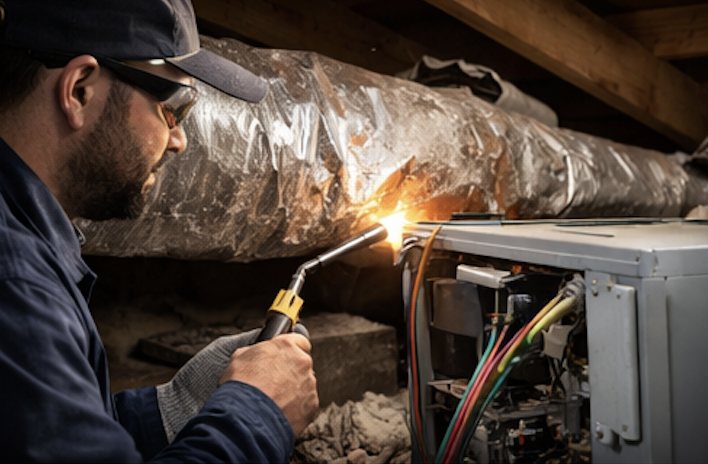
HVAC technicians are in demand because nearly every building depends on climate control systems. By attending a local HVAC school, students can learn the technical skills required for entry level HVAC jobs and begin building a long-term career in the HVAC industry.
What an HVAC School Teaches
HVAC schools focus on both classroom instruction and hands-on training. Students learn the science behind heating and cooling systems while practicing with real HVAC equipment in lab environments.
Most HVAC school programs include training in:
- Air conditioning installation and repair
- Furnace and heating system maintenance
- Refrigeration cycles and refrigerant handling
- Electrical troubleshooting for HVAC equipment
- Ventilation systems and ductwork design
- Thermostats and HVAC system controls
- HVAC safety procedures and tools
Students also learn about the refrigeration cycle, electrical systems, and airflow dynamics, which are essential for diagnosing and repairing heating and cooling equipment.
Many programs prepare students for industry certifications required to work with refrigerants or advanced HVAC systems.
Examples of HVAC Schools and Training Programs
When searching for an HVAC school near you, you may find several different types of programs. These can include local technical schools, specialized HVAC training centers, and online programs.
One example is Tech Zone HVAC School, which offers a program that trains students to diagnose, repair, install, and maintain HVAC equipment. The course includes approximately 100 hours of instruction over about 10 weeks and covers subjects such as HVAC electrical systems, refrigerant management, motors, and heat pumps.
Another example is the HVAC training program offered by UEI College, which teaches students how to install, service, maintain, troubleshoot, and repair HVAC and refrigeration systems. Their program includes hands-on lab training and prepares students for certifications such as the EPA Section 608 certification required for refrigerant handling.
There are also flexible options like online HVAC trade school courses through platforms such as SkillCat, which offer self-paced lessons covering HVAC fundamentals, tools, and techniques for beginners.
Types of HVAC Schools Near You
When searching for “HVAC school near me,” you will usually find three main types of training programs.
Trade Schools
Trade schools specialize in career-focused training for skilled trades. HVAC trade school programs usually take 6 months to 1 year to complete and focus heavily on practical training.
Students spend time learning installation techniques, system diagnostics, and HVAC maintenance skills needed for entry level HVAC jobs.
Community College Programs
Community colleges often offer HVAC certificates or associate degrees. These programs may take 1–2 years but provide more comprehensive education in HVAC system design, energy efficiency, and commercial HVAC systems.
Graduates of community college programs may qualify for more advanced technician roles.
HVAC Apprenticeships
Some people skip formal HVAC school and instead enter an apprenticeship program. Apprentices work with experienced technicians while learning HVAC skills on the job.
Apprenticeships typically last 3–5 years, but they allow workers to earn money while learning the trade.
How Long HVAC School Takes
The length of HVAC training programs varies depending on the school and program type.
Typical timelines include:
- Short HVAC certificate programs: 2–4 months
- Trade school programs: 6–12 months
- Community college programs: 1–2 years
- Apprenticeships: 3–5 years
Short programs usually focus on the basics of HVAC installation and repair, while longer programs provide deeper knowledge of HVAC engineering and commercial systems.
HVAC Certifications You May Need
After attending an HVAC school, technicians often pursue industry certifications that demonstrate their knowledge and qualifications.
Common HVAC certifications include:
- Refrigerant handling certification
- HVAC technician certification
- Energy efficiency certifications
- Manufacturer training certifications
Some HVAC schools include certification preparation as part of their training programs, helping students pass exams required to work with certain HVAC equipment.
Benefits of Attending an HVAC School
Attending an HVAC school offers several advantages for people entering the heating and cooling industry.
Structured learning – Students receive organized instruction on HVAC systems rather than learning only through trial and error.
Hands-on training – Many HVAC schools provide lab environments where students can practice working on real equipment.
Certification preparation – Schools often help students prepare for industry certification exams.
Faster career entry – HVAC training programs can be completed much faster than traditional four-year degrees.
HVAC schools also provide networking opportunities with instructors, technicians, and employers who may help graduates find their first HVAC jobs.
Jobs You Can Get After HVAC School
After completing HVAC training, graduates can pursue several entry level positions in the industry.
Common jobs include:
- HVAC technician apprentice
- HVAC installer
- HVAC service technician
- HVAC maintenance technician
- HVAC system installer
As technicians gain experience, they may move into more specialized roles such as commercial HVAC technician, HVAC sales consultant, or HVAC system designer.
Some experienced technicians eventually start their own HVAC service businesses.
Is HVAC School Worth It?
For many people, attending HVAC school is a worthwhile investment. The HVAC industry offers strong job stability because heating and cooling systems require regular installation, maintenance, and repair.
Unlike many careers that require years of university education, HVAC training programs can often be completed in less than a year. This allows students to enter the workforce quickly and begin earning income.
HVAC technicians also have opportunities for career growth. Experienced professionals can specialize in commercial HVAC systems, energy-efficient climate control technology, or HVAC system design.
Conclusion
Searching for “HVAC school near me” is the first step toward starting a career in the heating and cooling industry. HVAC schools provide the technical training and hands-on experience needed to work with air conditioners, furnaces, ventilation systems, and refrigeration equipment.
Whether you choose a trade school, community college, or apprenticeship program, HVAC education can lead to a stable and rewarding career. With growing demand for energy-efficient climate control systems and skilled technicians, graduates of HVAC schools are well positioned to find opportunities in residential, commercial, and industrial HVAC work.