An HVAC training school is a technical education program that teaches students how to install, repair, maintain, and troubleshoot heating, ventilation, and air conditioning systems. These schools are designed to prepare students for careers as HVAC technicians by combining classroom instruction with hands-on training using real HVAC equipment.
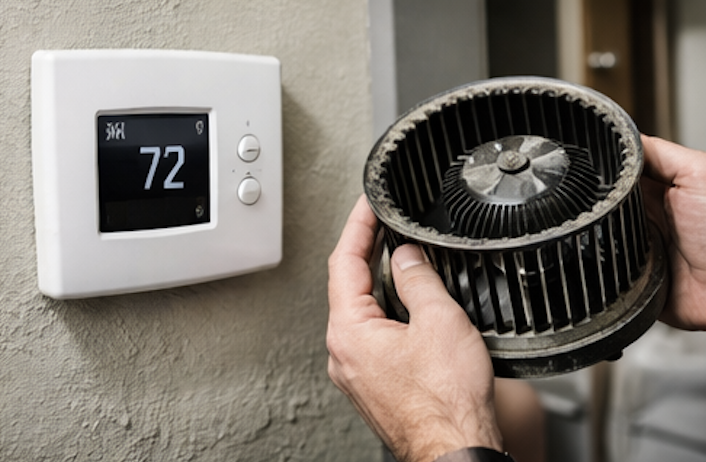
HVAC systems are used in homes, offices, hospitals, and industrial buildings, making trained technicians essential in modern infrastructure. Because of this demand, HVAC training schools have become one of the most common pathways into the heating and cooling industry.
What Is an HVAC Training School?
An HVAC training school is a specialized trade school or technical program that focuses on heating, ventilation, air conditioning, and refrigeration systems. The goal of these programs is to teach students the practical skills needed to begin working in entry-level HVAC jobs.
Most HVAC training schools include a combination of:
- Classroom instruction
- Hands-on lab work
- Real equipment practice
- Certification preparation
Students learn how HVAC systems work and how to diagnose problems with equipment like air conditioners, furnaces, heat pumps, and refrigeration units. Many programs are designed to prepare graduates for industry certifications and technician roles in the field.
What You Learn in HVAC Training School
HVAC training schools cover a wide range of topics related to heating and cooling systems. These programs teach both the theory behind HVAC systems and the practical skills needed for installation and repair.
Common subjects taught in HVAC training school include:
1. HVAC System Fundamentals
Students learn how heating and cooling systems operate, including the major components such as compressors, condensers, evaporator coils, and thermostats.
Understanding the refrigeration cycle is one of the most important topics because it explains how air conditioning systems remove heat from indoor air.
2. Electrical Systems and Controls
HVAC equipment relies heavily on electrical components such as motors, relays, and control boards. Training programs teach students how electrical circuits work and how to troubleshoot common electrical problems in HVAC systems.
3. Air Conditioning and Cooling Systems
Students learn how to install and service air conditioning units used in residential and commercial buildings. This includes refrigerant handling, system charging, and diagnosing cooling problems.
4. Heating Systems
HVAC training schools teach students about different types of heating equipment, including gas furnaces, electric heaters, boilers, and heat pumps.
5. Ventilation and Ductwork
Proper airflow is essential for efficient HVAC performance. Students learn how duct systems distribute air throughout buildings and how to design or repair ventilation systems.
6. Troubleshooting and Maintenance
A large portion of HVAC training focuses on diagnosing problems and performing preventive maintenance to keep systems running efficiently.
Hands-On Training in HVAC Schools
One of the most important parts of HVAC training school is hands-on learning. Students practice working with real HVAC equipment in lab environments that simulate real job conditions.
Training programs often include:
- Installing air conditioning systems
- Testing electrical components
- Repairing compressors and motors
- Inspecting and replacing ductwork
- Using HVAC diagnostic tools
Hands-on lab training is essential because HVAC technicians must know how to work with tools and equipment in real-world environments.
How Long HVAC Training School Takes
The length of HVAC training school programs varies depending on the type of program and the school.
Typical program lengths include:
- Short certificate programs: 3–6 months
- Trade school HVAC programs: 6–12 months
- Advanced programs: 9–12 months
Some HVAC technician programs allow students to complete training in about 10 months and graduate with the skills needed for entry-level technician positions.
Other schools offer shorter intensive courses that focus on specific skills like air conditioning fundamentals or HVAC electrical systems.
Certifications You May Earn
Many HVAC training schools help students prepare for important industry certifications. These certifications show employers that technicians understand HVAC systems and safety procedures.
Common certifications include:
- EPA Section 608 Certification (required for handling refrigerants)
- HVAC technician certifications
- Refrigerant safety certifications
- Manufacturer equipment certifications
Programs often include exam preparation so students can earn these certifications before entering the workforce.
Jobs You Can Get After HVAC Training School
Graduating from an HVAC training school can open the door to several entry-level positions in the industry.
Common jobs include:
- HVAC technician
- HVAC installer
- HVAC service technician
- HVAC maintenance technician
- Refrigeration technician
- HVAC apprentice
Graduates typically begin in entry-level roles and gain experience working with residential or commercial HVAC systems.
With experience, technicians can move into higher-paying positions such as commercial HVAC specialist, HVAC supervisor, or system designer.
Benefits of Attending HVAC Training School
There are several advantages to attending an HVAC training school rather than trying to enter the industry without training.
Faster Career Entry
Many HVAC programs can be completed in under a year, allowing students to begin working quickly compared to traditional college degrees.
Hands-On Skills
HVAC training schools provide practical experience with real equipment, which helps students feel more confident in the field.
Certification Preparation
Many programs prepare students for industry certifications that are often required for HVAC jobs.
Strong Job Demand
HVAC technicians are in demand because heating and cooling systems require regular installation, maintenance, and repair.
Is HVAC Training School Worth It?
For many people, HVAC training school is one of the fastest ways to start a skilled trade career. These programs provide the knowledge and hands-on training needed to work with modern HVAC systems.
While some technicians learn through apprenticeships or on-the-job training, HVAC school can make it easier to land entry-level jobs because employers prefer candidates who already understand the basics of heating and cooling systems.
Because HVAC systems are essential in nearly every building, the industry offers stable career opportunities and room for advancement.
✅ Conclusion
An HVAC training school provides the education and hands-on experience needed to start a career in the heating and cooling industry. Students learn how to install, repair, and maintain HVAC systems while preparing for important certifications and entry-level technician roles.
Whether you want to work in residential HVAC service, commercial building maintenance, or industrial climate control, HVAC training school can be the first step toward a stable and rewarding career in the HVAC field.
If you’d like, I can also write 10–15 more SEO posts like these that cluster around your main keyword (for example: “how long is HVAC school,” “HVAC certification,” “HVAC technician salary,” “best HVAC schools,” etc.). This is a really effective strategy if you’re building an HVAC SEO site.