Entry level HVAC jobs are the starting point for many people who want to build a career in the heating, ventilation, and air conditioning industry. HVAC systems are essential in homes, offices, hospitals, schools, and commercial buildings, which means skilled technicians are always in demand. For individuals interested in hands-on work, mechanical systems, and long-term job stability, entry level HVAC jobs offer an excellent pathway into a skilled trade.
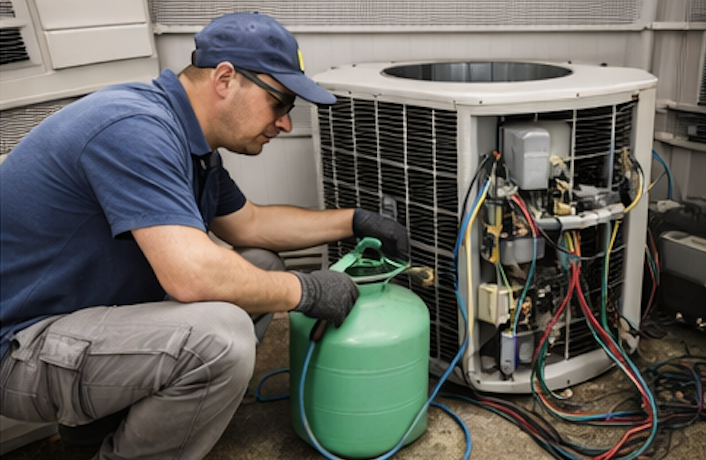
The HVAC industry includes a wide range of positions, from installation and maintenance to repair and system design. Entry level roles allow new workers to learn the basics of heating and cooling systems while gaining real-world experience that can lead to higher-paying technician positions in the future.
What Entry Level HVAC Jobs Involve
Entry level HVAC jobs typically involve assisting experienced technicians with installing, maintaining, and repairing heating and cooling systems. Workers in these roles are often referred to as HVAC helpers, HVAC apprentices, or junior technicians.
A typical day in an entry level HVAC job might begin by helping load tools and equipment into a service vehicle before heading to a job site. Once there, the technician and helper may inspect an air conditioning system, install new ductwork, replace filters, or troubleshoot a malfunctioning furnace.
Common tasks in entry level HVAC positions include carrying tools, preparing equipment for installation, cleaning system components, and assisting with system diagnostics. While beginners may not perform complex repairs on their own, they gain valuable hands-on experience by observing and assisting skilled HVAC technicians.
These roles provide exposure to many types of HVAC systems, including air conditioners, furnaces, heat pumps, ventilation systems, and refrigeration units.
Types of Entry Level HVAC Jobs
There are several different types of entry level HVAC jobs available within the industry. Each role provides a slightly different introduction to heating and cooling systems.
HVAC helper positions are among the most common entry level jobs. Helpers assist technicians during installations, repairs, and maintenance visits. This role focuses on learning tools, equipment, and system components.
HVAC apprentice jobs combine on-the-job training with classroom instruction. Apprentices work under experienced technicians for several years while learning the technical aspects of HVAC systems.
HVAC installation assistants help with installing heating and cooling systems in new homes or buildings. This may include setting up ductwork, mounting air handlers, connecting refrigeration lines, and assisting with system testing.
Maintenance technicians may perform routine inspections and maintenance tasks such as replacing air filters, cleaning coils, and checking system performance. Maintenance jobs help prevent equipment failures and improve HVAC efficiency.
Some entry level workers also begin in HVAC warehouse or parts positions, where they learn about HVAC components, equipment, and tools before transitioning into field service roles.
Skills Needed for Entry Level HVAC Jobs
Entry level HVAC jobs do not usually require years of experience, but certain skills can help candidates succeed in the field. Mechanical aptitude is one of the most important qualities. HVAC workers frequently handle tools, equipment, and mechanical components, so being comfortable with hands-on work is essential.
Problem-solving skills are also valuable because HVAC technicians often diagnose system issues and determine how to fix them. Entry level workers learn these skills by assisting experienced professionals and gradually taking on more responsibility.
Physical fitness is another important factor in HVAC work. Technicians may lift heavy equipment, climb ladders, work in tight spaces, or spend time outdoors in different weather conditions.
Good communication skills can also help entry level HVAC workers succeed. Technicians must interact with customers, coworkers, and supervisors while explaining system issues and repair solutions.
Education and Training for Entry Level HVAC Jobs
Many people enter entry level HVAC jobs after completing a trade school or vocational training program. These programs teach the basics of heating and cooling systems, electrical circuits, refrigeration cycles, and HVAC safety procedures.
However, some employers hire entry level workers with little or no formal training and provide on-the-job instruction. These workers learn by assisting experienced technicians and gradually building technical knowledge over time.
Certifications can also improve job opportunities. For example, technicians who handle refrigerants may need to obtain environmental certification that demonstrates they understand how to safely manage refrigerants.
Many entry level workers also pursue additional training in areas such as HVAC installation, air conditioning repair, or energy-efficient heating systems. Continuing education helps technicians advance within the industry.
Career Growth in the HVAC Industry
Entry level HVAC jobs often lead to long-term careers with strong earning potential. After gaining experience, workers may advance to roles such as HVAC service technician, HVAC installer, or HVAC maintenance specialist.
Experienced technicians often specialize in certain types of systems. Some focus on residential HVAC systems, while others work primarily with commercial or industrial heating and cooling equipment.
With additional training and experience, HVAC professionals can move into positions such as senior technician, HVAC supervisor, service manager, or system designer. Some technicians eventually start their own HVAC repair or installation businesses.
Because heating and cooling systems require regular maintenance and occasional replacement, HVAC companies often maintain long-term relationships with customers. This creates stable employment opportunities for skilled technicians.
Demand for Entry Level HVAC Jobs
The demand for entry level HVAC jobs continues to grow due to several factors. First, HVAC systems are essential for maintaining comfortable indoor environments in modern buildings. Homes, offices, and commercial facilities rely on heating and cooling systems year-round.
Second, many experienced HVAC technicians are reaching retirement age. As these workers leave the industry, new technicians are needed to fill the gap. Entry level positions help train the next generation of HVAC professionals.
Finally, advances in HVAC technology are creating new opportunities. Energy-efficient heat pumps, smart thermostats, and advanced ventilation systems require skilled technicians who understand modern climate control equipment.
These factors make HVAC one of the most stable and accessible skilled trades for people entering the workforce.
Benefits of Starting with Entry Level HVAC Jobs
Entry level HVAC jobs offer several advantages compared to many other career paths. One major benefit is the ability to learn a valuable trade without spending many years in traditional college programs. Many technicians begin working and earning income while continuing their training.
The HVAC industry also offers strong job security because heating and cooling systems require ongoing service. Technicians who develop strong technical skills often find steady employment opportunities.
Another advantage is the opportunity to work with constantly evolving technology. Modern HVAC systems include smart controls, energy-efficient equipment, and advanced indoor air quality systems. Learning to work with these technologies can make technicians highly valuable in the job market.
Conclusion
Entry level HVAC jobs provide a practical starting point for anyone interested in working in the heating and cooling industry. These roles allow new workers to gain hands-on experience with HVAC systems while learning the skills needed to become professional technicians.
From assisting with air conditioner installations to performing routine HVAC maintenance, entry level workers develop valuable technical knowledge that can lead to long-term career growth. As demand for heating and cooling services continues to rise, entry level HVAC jobs remain an excellent opportunity for individuals seeking stable employment in a skilled trade.