Commercial HVAC jobs involve installing, maintaining, and repairing heating, ventilation, and air conditioning systems used in large buildings such as offices, hospitals, schools, shopping centers, and industrial facilities. Unlike residential HVAC work, which focuses on homes and small buildings, commercial HVAC technicians work with larger, more complex climate control systems designed to serve entire facilities. These systems often include rooftop units, chillers, boilers, cooling towers, and advanced ventilation systems.
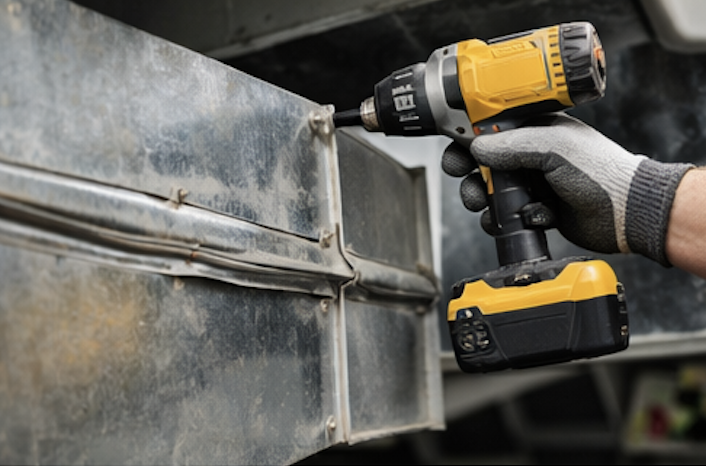
Because commercial buildings rely heavily on reliable heating and cooling systems, commercial HVAC jobs are an important part of the construction, maintenance, and building management industries. Skilled commercial HVAC technicians help ensure that buildings remain comfortable, energy efficient, and safe for occupants throughout the year.
What Commercial HVAC Jobs Involve
Commercial HVAC technicians handle a wide range of responsibilities related to heating and cooling systems in large buildings. Their work often includes system installation, equipment maintenance, troubleshooting mechanical issues, and performing complex repairs.
A typical day in a commercial HVAC job may start with a service call to inspect a malfunctioning rooftop air conditioning unit on a commercial building. The technician might diagnose electrical issues, check refrigerant levels, inspect airflow, and determine whether parts such as compressors, motors, or coils need repair or replacement.
Maintenance is another major part of commercial HVAC work. Preventive maintenance helps reduce the risk of system failures and improves overall efficiency. Technicians often perform tasks such as cleaning condenser coils, inspecting ductwork, calibrating thermostats, checking electrical components, and replacing worn parts before they fail.
In addition to repairs and maintenance, commercial HVAC technicians frequently assist with installing new systems. Large commercial buildings require carefully designed heating and cooling systems that balance airflow, temperature control, and energy efficiency across multiple rooms or floors. Installing these systems may involve placing rooftop HVAC units, running ventilation ducts, connecting refrigeration lines, and configuring digital control systems.
Types of Commercial HVAC Systems
Commercial HVAC jobs involve working with a wide variety of equipment that differs significantly from residential systems. One common type of system is the rooftop unit (RTU), which combines heating and cooling components in a single package installed on the roof of a building. RTUs are widely used in offices, retail stores, and restaurants.
Another common system is the chiller system, which cools water and circulates it through a building to regulate temperature. Chillers are commonly used in large buildings such as hospitals, universities, and data centers.
Boiler systems are also frequently used in commercial buildings to provide heating. Boilers heat water or steam, which is distributed throughout the building using pipes or radiators.
Cooling towers are used in conjunction with chillers to remove excess heat from large commercial HVAC systems. These towers release heat into the outdoor environment, allowing the cooling system to operate efficiently.
Commercial HVAC technicians must be familiar with all of these systems and understand how they interact within a building’s climate control network.
Skills Required for Commercial HVAC Jobs
Commercial HVAC jobs require a strong combination of technical knowledge, mechanical skills, and problem-solving abilities. Technicians must understand refrigeration systems, electrical circuits, airflow dynamics, and mechanical components.
Because commercial systems are often more complex than residential HVAC systems, technicians must be able to diagnose complicated problems that involve multiple components. For example, a cooling issue in a large office building may involve sensors, control systems, ductwork restrictions, or refrigerant problems.
Commercial HVAC technicians also need to be comfortable working with specialized tools and diagnostic equipment. This can include digital gauges, airflow measurement devices, electrical testing tools, and computerized building management systems.
Safety awareness is also extremely important. Commercial HVAC technicians frequently work on rooftops, in mechanical rooms, or around high-voltage equipment. Following proper safety procedures helps prevent accidents and ensures systems are repaired correctly.
Training and Certification for Commercial HVAC Technicians
Most commercial HVAC jobs require formal training or technical education. Many technicians begin their careers by attending trade schools or vocational programs that focus on HVAC technology. These programs teach the fundamentals of heating, cooling, ventilation, electrical systems, and refrigeration cycles.
After completing training, many technicians enter apprenticeship programs where they gain hands-on experience under the supervision of experienced HVAC professionals. Apprenticeships allow technicians to learn how to work with real commercial systems while developing practical troubleshooting skills.
Certifications are also important in the commercial HVAC industry. Technicians who handle refrigerants must typically obtain environmental certification to ensure safe refrigerant handling. Additional certifications in energy-efficient HVAC systems or commercial refrigeration equipment can also improve job opportunities and earning potential.
Industries That Hire Commercial HVAC Technicians
Commercial HVAC jobs are available in many industries. Office buildings, shopping malls, hotels, hospitals, and schools all rely on large climate control systems that require regular maintenance and repair.
Facilities management companies often hire commercial HVAC technicians to maintain building systems for large property portfolios. These technicians may be responsible for maintaining HVAC systems in multiple buildings within a city or region.
Construction companies also hire commercial HVAC professionals to install heating and cooling systems in new buildings. During construction projects, HVAC technicians work alongside electricians, plumbers, and engineers to ensure that climate control systems are installed correctly.
Manufacturing plants and industrial facilities also employ commercial HVAC technicians to maintain specialized ventilation and temperature control systems that support production processes.
Salary and Career Opportunities in Commercial HVAC
Commercial HVAC jobs often offer strong earning potential due to the technical complexity of the systems involved. Technicians who specialize in commercial equipment typically earn higher salaries than those working exclusively in residential HVAC.
Entry-level technicians may begin by assisting experienced professionals, but with experience they can advance to senior technician roles, service supervisors, or project managers. Some technicians eventually become HVAC system designers or consultants who help plan heating and cooling systems for new buildings.
Many experienced commercial HVAC technicians also start their own businesses. Commercial HVAC service companies provide maintenance contracts, emergency repairs, and system upgrades for large buildings. Because commercial HVAC systems require regular service, these businesses can develop long-term client relationships and stable revenue streams.
Why Commercial HVAC Jobs Are in High Demand
The demand for commercial HVAC technicians continues to grow as cities expand and new buildings are constructed. Every large building requires reliable heating, cooling, and ventilation systems to maintain comfort and safety.
Energy efficiency initiatives have also increased the demand for HVAC professionals. Many commercial property owners are upgrading older HVAC equipment with modern energy-efficient systems. These upgrades require skilled technicians who understand advanced HVAC technology and building automation systems.
In addition, many experienced HVAC technicians are retiring, creating opportunities for younger workers entering the field. This workforce transition is helping maintain strong demand for trained HVAC professionals.
Conclusion
Commercial HVAC jobs play a critical role in maintaining the comfort and functionality of large buildings. From installing rooftop air conditioning units to maintaining complex chiller systems, commercial HVAC technicians ensure that businesses, hospitals, schools, and other facilities operate efficiently year-round.
For individuals interested in a hands-on career with strong job security and opportunities for advancement, commercial HVAC jobs offer an excellent path. As buildings continue to rely on sophisticated heating and cooling technology, skilled commercial HVAC technicians will remain essential to keeping modern infrastructure running smoothly.