HVAC apprentice jobs are one of the most common entry points into the heating and cooling industry. HVAC stands for heating, ventilation, and air conditioning, and the field includes a wide range of work such as installing air conditioning systems, repairing furnaces, maintaining ventilation systems, and troubleshooting climate control equipment. HVAC apprentices work under experienced technicians to learn the trade while gaining hands-on experience. For individuals interested in a skilled trade with strong job demand, HVAC apprentice jobs provide a valuable pathway into a long-term career.
What HVAC Apprentice Jobs Involve
HVAC apprentice jobs are designed to train new technicians while they work in real-world environments. Instead of immediately working independently, apprentices assist experienced HVAC technicians with service calls, installations, and routine maintenance. Over time, they learn how HVAC systems operate and how to diagnose and repair common problems.
An HVAC apprentice may start the day by helping load tools and equipment into a service vehicle. From there, they might travel with a technician to a residential home or commercial building where an HVAC system needs inspection or repair. Tasks can include cleaning condenser coils, replacing air filters, checking refrigerant levels, running ductwork, installing thermostats, and assisting with system diagnostics.
Apprentices also learn how to properly handle tools and equipment used in HVAC repair and installation. This includes refrigerant gauges, vacuum pumps, pipe cutters, electrical testers, and airflow measurement tools. Over time, HVAC apprentices become more confident using these tools and begin taking on more complex responsibilities.
Learning HVAC System Fundamentals
One of the most important aspects of HVAC apprentice jobs is learning how heating and cooling systems function. Apprentices study the basic components of HVAC systems, including compressors, evaporator coils, condensers, blower motors, thermostats, and ventilation ducts.
They also learn about the refrigeration cycle, which is the process that allows air conditioning systems to cool indoor spaces. Understanding how refrigerant moves through a system helps apprentices diagnose problems such as low refrigerant levels, compressor failures, or blocked coils.
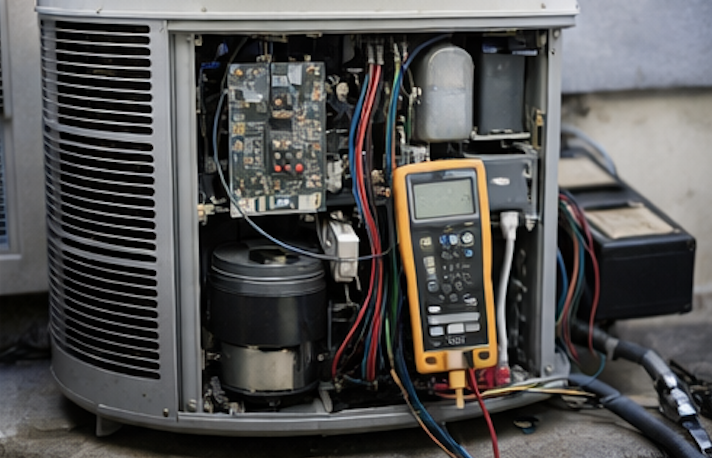
Electrical knowledge is another key part of HVAC training. Many heating and cooling problems involve wiring issues, control boards, or faulty electrical connections. HVAC apprentices gradually learn how to test circuits, read wiring diagrams, and safely repair electrical components.
Airflow and ventilation are also important topics in HVAC apprentice jobs. Proper airflow ensures that heating and cooling systems operate efficiently. Apprentices learn how to inspect ductwork, identify airflow restrictions, and ensure that ventilation systems maintain good indoor air quality.
Benefits of HVAC Apprentice Jobs
HVAC apprentice jobs offer several advantages compared to traditional entry-level careers. One of the biggest benefits is the opportunity to earn money while learning a skilled trade. Unlike many careers that require years of expensive schooling before employment, HVAC apprentices begin earning income while they train.
Another benefit is hands-on experience. HVAC apprentices learn by doing real work alongside experienced technicians. This practical training helps them develop valuable problem-solving skills and technical knowledge that cannot always be learned in a classroom.
Job security is another major advantage. HVAC systems are essential in homes, offices, hospitals, schools, and industrial facilities. As a result, skilled HVAC technicians are consistently in demand. Completing an HVAC apprenticeship often leads to full-time technician roles with long-term career opportunities.
Training and Education for HVAC Apprentices
Many HVAC apprentices start their careers by enrolling in trade school or vocational training programs. These programs teach the fundamentals of HVAC systems, refrigeration theory, electrical systems, and safety procedures. While not always required, trade school can make it easier to secure HVAC apprentice jobs.
Apprenticeships themselves typically last between three and five years. During this time, apprentices receive both on-the-job training and classroom instruction. They learn everything from basic HVAC maintenance to complex system diagnostics and installation techniques.
Certification may also be required depending on the region. For example, technicians who work with refrigerants often need environmental certification to ensure they handle refrigerants safely and comply with regulations.
Some HVAC apprentices also pursue additional certifications related to energy efficiency, heat pump systems, or commercial HVAC equipment. These credentials can help apprentices specialize in certain areas and improve their future earning potential.
Types of HVAC Apprentice Jobs
HVAC apprentice jobs exist in several areas of the industry. Residential HVAC apprentices focus on systems used in homes and small buildings. Their work often includes air conditioner installation, furnace repair, ductwork installation, and routine HVAC maintenance.
Commercial HVAC apprentices work on larger systems in office buildings, retail centers, hospitals, and schools. These systems are typically more complex and may include rooftop HVAC units, chillers, and advanced ventilation systems.
Industrial HVAC apprentices may work in factories or manufacturing facilities where specialized cooling and ventilation systems are used. These systems often support production equipment or maintain controlled environments for manufacturing processes.
Some apprentices also work for HVAC contractors who specialize in new construction projects. In these roles, apprentices help install heating and cooling systems in newly built homes or commercial buildings.
Career Growth After an HVAC Apprenticeship
Completing HVAC apprentice jobs successfully often leads to promotion as a journeyman HVAC technician. At this level, technicians are able to work independently, diagnose complex problems, and perform major repairs or installations.
With additional experience, HVAC technicians can advance to positions such as senior technician, service manager, project supervisor, or HVAC system designer. Some professionals choose to specialize in areas like refrigeration, energy-efficient systems, or commercial HVAC systems.
Many experienced technicians eventually start their own HVAC businesses. These companies provide services such as HVAC repair, furnace installation, air conditioning maintenance, and ductwork installation. Because HVAC systems require regular service, many businesses build stable income through maintenance contracts and long-term customer relationships.
Demand for HVAC Apprentice Jobs
The demand for HVAC apprentice jobs remains strong in many regions due to several factors. First, climate control systems are essential for modern living. Homes and businesses rely on heating and cooling systems year-round, which creates ongoing demand for maintenance and repairs.
Second, many experienced HVAC technicians are approaching retirement age, creating opportunities for new workers to enter the field. Apprenticeships help ensure the industry has a steady supply of trained technicians to replace retiring professionals.
Finally, new technologies are transforming the HVAC industry. Energy-efficient heat pumps, smart thermostats, and advanced air filtration systems require technicians who understand modern equipment. Apprentices who train on these systems may find even greater career opportunities in the future.
Why HVAC Apprenticeships Are a Smart Career Path
HVAC apprentice jobs provide an excellent entry point for people who want a practical, hands-on career. The combination of paid training, job security, and long-term earning potential makes HVAC apprenticeships appealing to many individuals.
Unlike many careers that require extensive academic education, HVAC apprenticeships focus on real-world skills and technical knowledge. Apprentices learn directly from experienced professionals while building a career that can last for decades.
For individuals who enjoy working with tools, solving mechanical problems, and helping customers maintain comfortable indoor environments, HVAC apprentice jobs can be the first step toward a successful and rewarding profession.
Conclusion
HVAC apprentice jobs are the foundation of a career in the heating and cooling industry. By working alongside experienced technicians, apprentices gain valuable skills in HVAC installation, system maintenance, and equipment repair. The combination of hands-on training, steady demand, and strong career growth makes HVAC apprenticeships an excellent opportunity for anyone interested in the skilled trades. As buildings continue to rely on advanced climate control systems, trained HVAC professionals will remain essential, ensuring that HVAC apprentices today become the expert technicians of tomorrow.