HVAC repair jobs play a vital role in maintaining the comfort and safety of homes, businesses, and industrial facilities. HVAC stands for heating, ventilation, and air conditioning, and technicians in this field are responsible for installing, maintaining, diagnosing, and repairing systems that regulate indoor temperature and air quality. As modern buildings rely heavily on climate control systems, the demand for skilled HVAC technicians continues to grow, making HVAC repair jobs an attractive career path with strong job security.
What HVAC Repair Jobs Involve
HVAC repair technicians specialize in troubleshooting and fixing issues within heating and cooling systems. These systems include air conditioners, furnaces, heat pumps, ventilation systems, boilers, and ductwork. A typical HVAC repair job may involve diagnosing why an air conditioner is not cooling properly, repairing a furnace that won’t ignite, fixing refrigerant leaks, or replacing worn-out components like compressors, motors, and thermostats.
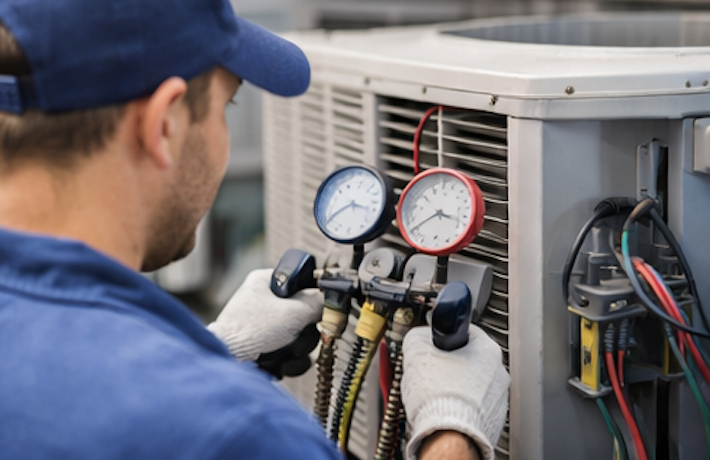
Many HVAC repair jobs begin with a service call. A homeowner or business owner reports a problem, and the technician arrives to inspect the system. Using specialized tools such as multimeters, refrigerant gauges, and airflow meters, the technician identifies the issue and determines the best solution. Often, HVAC repair technicians must explain the problem to the customer and provide options for repair or replacement.
Preventive maintenance is another major part of HVAC repair work. Regular maintenance helps prevent costly breakdowns and improves energy efficiency. During maintenance visits, technicians clean coils, inspect electrical connections, test thermostats, replace air filters, and check refrigerant levels. This type of HVAC service helps extend the lifespan of heating and cooling systems while keeping them running efficiently.
Skills Needed for HVAC Repair Jobs
HVAC repair jobs require a combination of technical knowledge, mechanical skills, and problem-solving ability. Technicians must understand how heating and cooling systems work, including refrigeration cycles, electrical components, airflow dynamics, and thermostat controls.
Mechanical aptitude is essential. HVAC technicians frequently work with motors, compressors, wiring, and duct systems. They must also be comfortable using tools like pipe cutters, vacuum pumps, soldering equipment, and diagnostic instruments.
In addition to technical skills, customer service is an important aspect of HVAC repair jobs. Technicians interact directly with customers, so they must communicate clearly and professionally. Explaining complex mechanical issues in simple terms helps build trust and ensures customers understand their repair options.
Physical fitness is another factor in HVAC work. Technicians often lift heavy equipment, climb ladders, crawl through tight spaces, and work in hot or cold environments. Attention to detail is also critical, as even small mistakes can lead to system inefficiencies or safety issues.
Training and Certification for HVAC Technicians
Most HVAC repair jobs require specialized training. Many technicians start by attending trade schools or vocational programs that focus on heating, ventilation, air conditioning, and refrigeration. These programs teach the fundamentals of HVAC systems, electrical circuits, refrigeration theory, and safety procedures.
After completing training, many new technicians enter apprenticeship programs where they gain hands-on experience working under experienced HVAC professionals. Apprenticeships allow trainees to learn real-world troubleshooting and repair techniques while earning a salary.
In many countries, HVAC technicians must also obtain certification. For example, technicians who handle refrigerants are often required to pass environmental certification exams. These certifications ensure technicians understand how to safely manage refrigerants and protect the environment.
Additional certifications can help HVAC technicians specialize in certain types of systems, such as commercial HVAC equipment, heat pumps, or energy-efficient systems. These credentials can increase job opportunities and earning potential.
Types of HVAC Repair Jobs
HVAC repair jobs exist in several different areas of the industry. Residential HVAC technicians focus on repairing systems in homes and small buildings. These jobs often involve air conditioning repair, furnace repair, thermostat replacement, and ductwork inspection.
Commercial HVAC repair technicians work on larger systems in office buildings, shopping centers, hospitals, and schools. These systems are typically more complex and require advanced troubleshooting skills. Commercial technicians may work with rooftop HVAC units, large chillers, or advanced ventilation systems.
Industrial HVAC technicians handle climate control systems used in factories and manufacturing facilities. These systems may include specialized cooling equipment, ventilation systems designed to remove industrial contaminants, or climate control systems used in production processes.
There are also HVAC maintenance specialists who focus primarily on preventive service and system inspections rather than emergency repairs. These technicians help clients avoid breakdowns by identifying potential issues before they become serious problems.
Demand for HVAC Repair Technicians
The demand for HVAC repair jobs has grown steadily over the past decade. As more homes and businesses rely on climate control systems, skilled technicians are needed to maintain and repair these systems. In many regions, aging HVAC equipment also creates additional demand for repair and replacement services.
Energy efficiency trends have also contributed to growth in HVAC jobs. Many property owners are upgrading to energy-efficient heating and cooling systems, which require trained technicians to install and maintain them. Smart thermostats, advanced air filtration systems, and modern heat pumps have created new opportunities for HVAC professionals with updated training.
Seasonal demand can also affect HVAC repair jobs. Air conditioning repair tends to peak during hot summer months, while furnace repair jobs increase during winter. This seasonal cycle keeps HVAC technicians busy throughout the year.
Salary and Career Opportunities
HVAC repair jobs can provide strong earning potential, especially for technicians with experience and specialized certifications. Entry-level HVAC technicians typically start with moderate salaries, but wages increase significantly with experience and skill development.
Experienced HVAC technicians may advance to roles such as HVAC supervisors, service managers, or system design specialists. Some technicians eventually start their own HVAC repair businesses, offering services such as air conditioner repair, furnace installation, and HVAC system maintenance.
Entrepreneurial technicians can build successful companies by focusing on customer service, quality repairs, and reliable maintenance programs. Because HVAC systems require regular service, many repair businesses develop long-term relationships with customers through annual maintenance contracts.
Why HVAC Repair Jobs Are a Strong Career Choice
HVAC repair jobs offer several advantages compared to many other careers. First, HVAC work cannot easily be outsourced or automated. Heating and cooling systems must be repaired on-site by trained technicians, ensuring steady demand for skilled professionals.
Second, HVAC repair jobs often provide hands-on work that can be satisfying for individuals who enjoy solving mechanical problems. Each repair job presents a unique challenge, making the work engaging and varied.
Finally, HVAC technicians often enjoy flexible career paths. Some choose to specialize in residential HVAC repair, while others focus on commercial systems or energy-efficient technologies. With experience, HVAC professionals can transition into management, consulting, or business ownership.
Conclusion
HVAC repair jobs are an essential part of modern infrastructure. From fixing broken air conditioners to maintaining complex commercial ventilation systems, HVAC technicians keep buildings comfortable and safe year-round. With strong demand, competitive salaries, and opportunities for advancement, HVAC repair jobs offer a rewarding career path for individuals interested in skilled trades. As heating and cooling technology continues to evolve, the need for knowledgeable HVAC repair technicians will only continue to grow, ensuring that this profession remains both stable and valuable in the years ahead.